FINDBETTER360 · DOG WELLNESS
You Know the Dog Who Never Wanted to Stop. So You Notice When Things Start to Change.
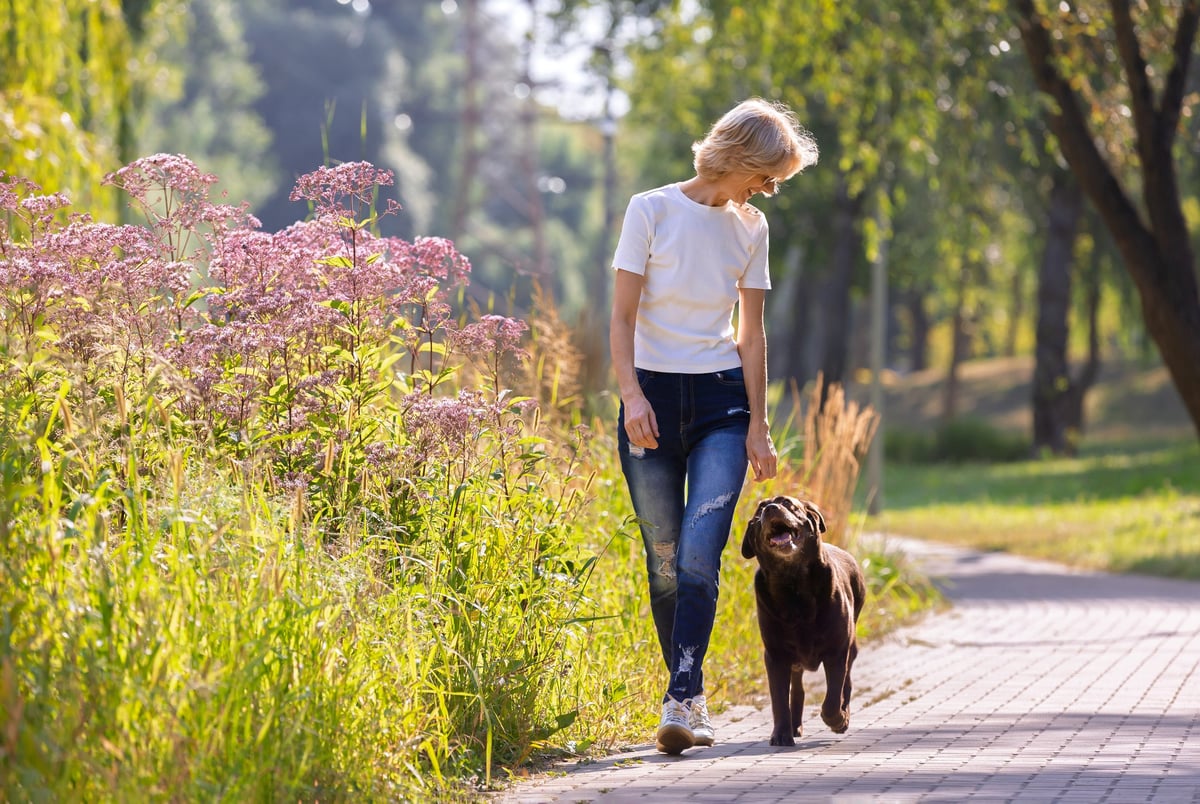
The walks get shorter. Getting up takes a little longer. Playtime ends sooner. And sometimes, even mealtime doesn't seem to sit quite the same.
At first, each change can seem small.
But when you know your dog better than anyone, small changes don't always feel small.
It Usually Doesn't Change All at Once.
One day they're still racing toward the door when they hear the leash.
But maybe the walk ends a little sooner.
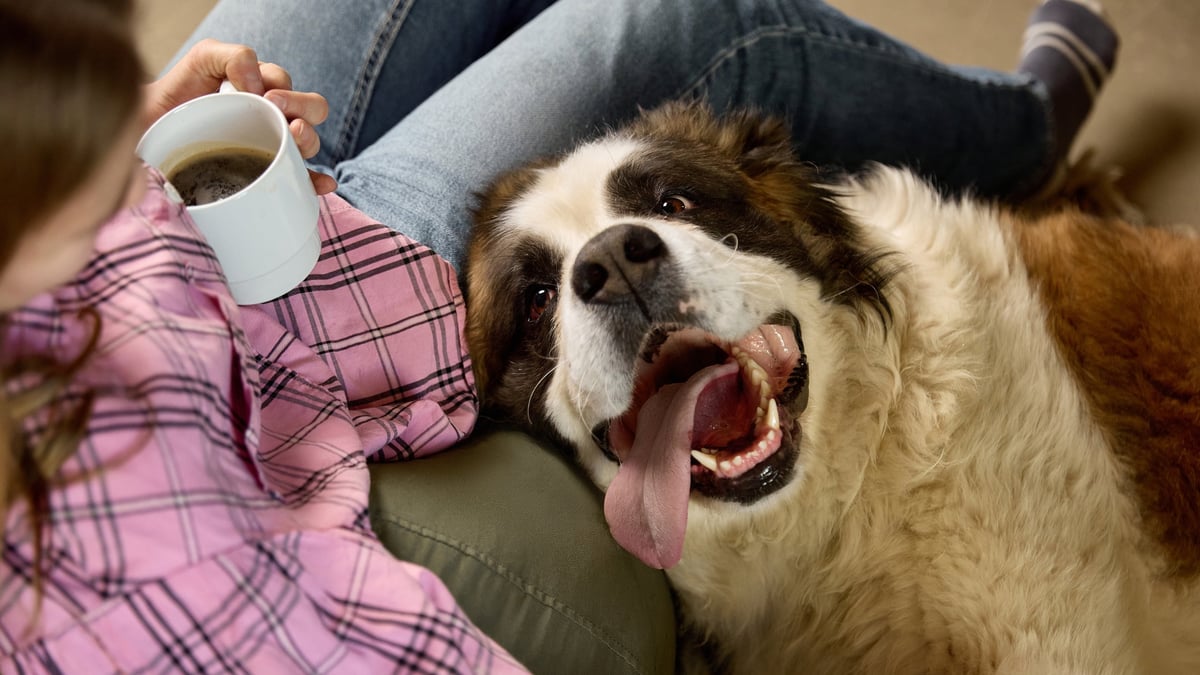
They still want to jump up beside you.
But maybe they hesitate for a second first.
They still want to play.
But maybe they're ready to stop before you are.
They're still the same dog you love.
They just don't always seem like the dog you remember.
What Owners Tend to Notice First
And It Isn't Always Just About Energy.
Maybe you've noticed changes in how they move.
Maybe their stomach doesn't always seem as settled after eating.
Maybe their weight, coat or everyday routines aren't quite what they used to be.
No single change necessarily tells you why.
But together, they can leave you wondering whether there's something you're overlooking.
The Hardest Part? They Can't Tell You What's Different.
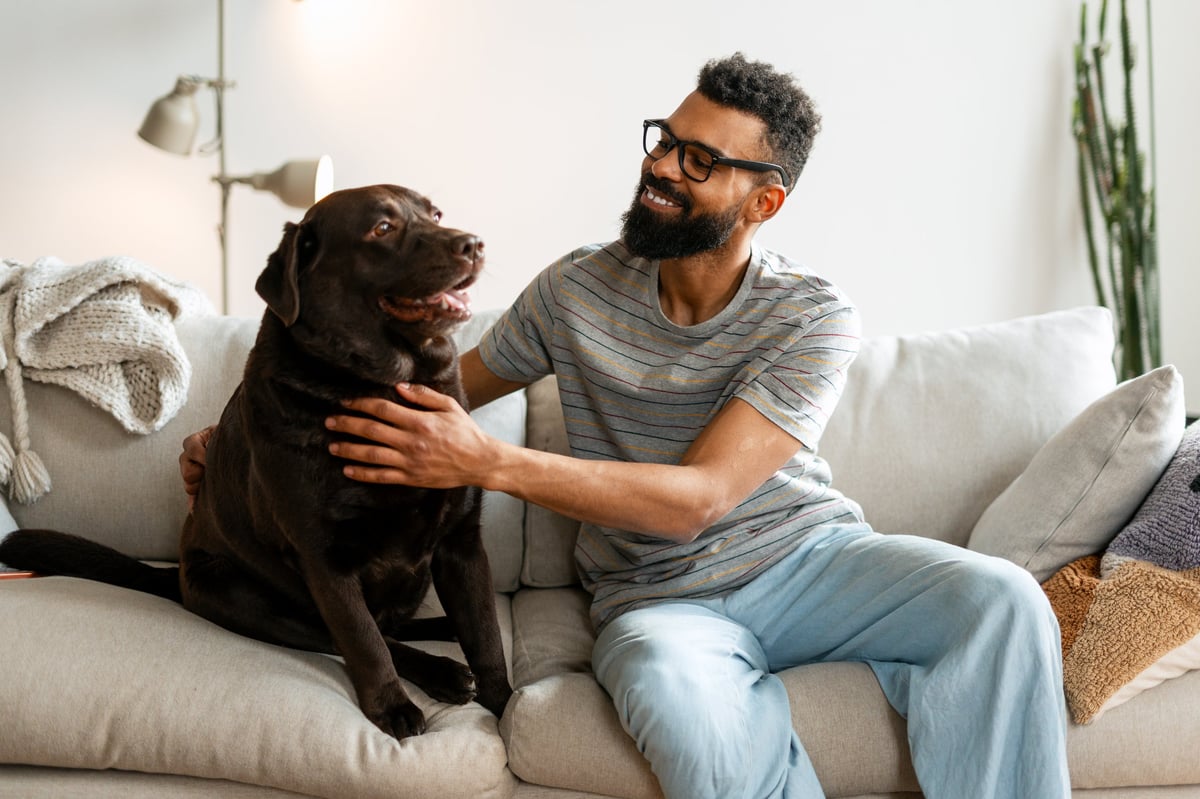
They can't explain why the walk ended sooner.
They can't tell you why getting up seems to take more effort.
They can't explain why something doesn't seem right after a meal.
They can't research what might be worth looking into.
They can only keep trusting you to notice.
And when someone depends on you for almost every decision, noticing is where better questions begin.
A Common Assumption
Maybe It's Just Age.
That's an understandable thought.
Dogs change as they get older.
But age alone doesn't answer every question.
What role can everyday nutrition play?
Why can energy, movement and digestion change over time?
And is there anything worth understanding before simply accepting every change as inevitable?
The Part We Tend to Overlook
Most People Look at Age. But How Often Do We Look at the Bowl?
Getting older is part of every dog's life.
But age isn't the only thing worth thinking about when their everyday routines begin to change.
Because there's something else your dog experiences every single day:
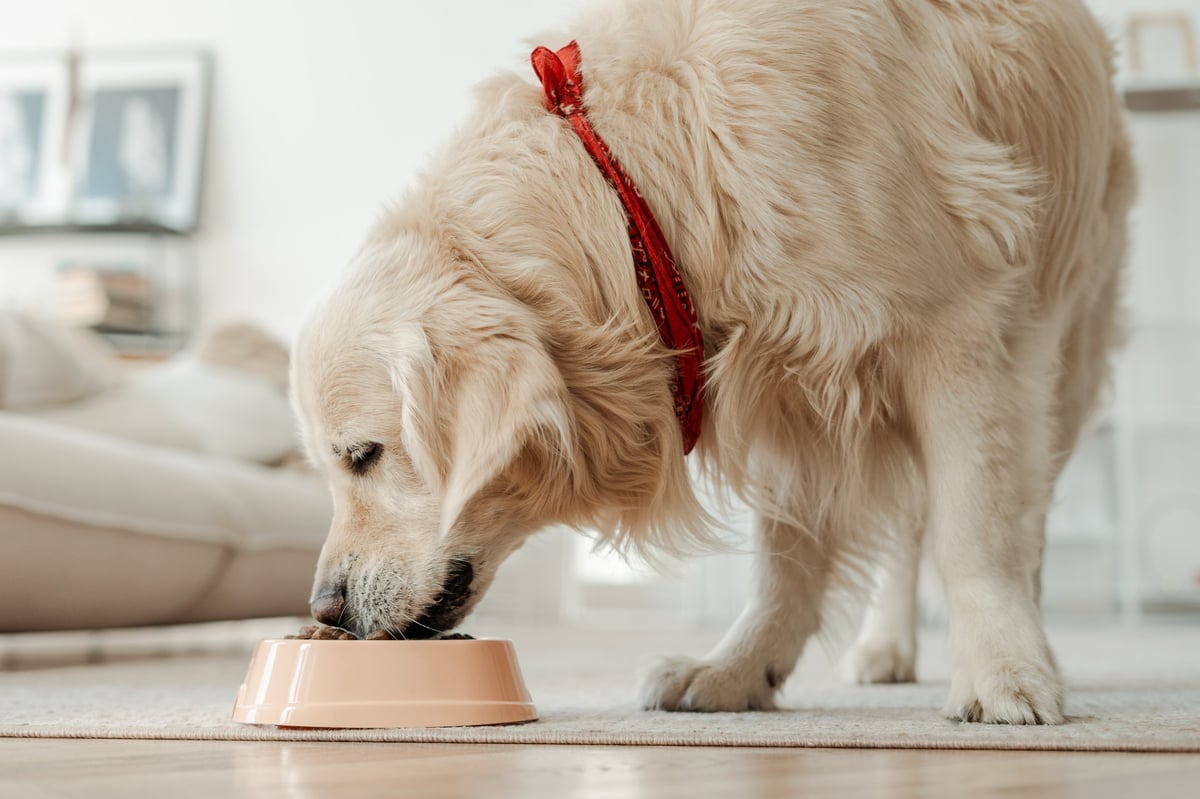
What goes into their bowl.
Day after day.
Meal after meal.
Year after year.
And that raises an important question:
What Is Your Dog Actually Getting From the Food They Eat Every Day?
The Bowl Is a Starting Point. Not the Whole Answer.
Most dog owners make feeding decisions with care.
But labels, formulas and nutritional language can get complicated quickly.
Some owners look more closely at food quality. Others examine ingredients, feeding approaches or nutritional support designed to complement an existing diet.
No single approach is right for every dog.
But once you've started noticing changes, understanding the options can give you a better place to start.
You Can't Stop Time. But You Can Pay Attention.
You can't expect yourself to have every answer.
But you can notice.
You can ask questions.
You can learn what's worth looking into.
And you can make more informed decisions for the dog who depends on you.

Because You Remember the Good Days. And Naturally, You Want More of Them.
The walk they don't want to end.
The game they keep bringing back.
That familiar excitement when the leash comes out.
The little routines that make them who they are.
You can't stop time.
But you can keep paying attention to the dog who's counting on you.
One Approach Kept Coming Up in Our Research.
As we looked more closely at everyday canine nutrition, one approach stood out enough to deserve a closer look.
It isn't about replacing everything you're already doing.
And it isn't about assuming every change has the same explanation.
It's about looking at nutritional support from a different angle.
If you've started asking some of the same questions, you can examine the approach for yourself.
See what's being presented. Look at the information. Decide for yourself.
See the information and decide for yourself.
Because They Can't Ask the Questions. You Can.
You don't have to know everything to care well.
You just need to notice what changes, ask better questions and understand the options before deciding what makes sense for your dog.